
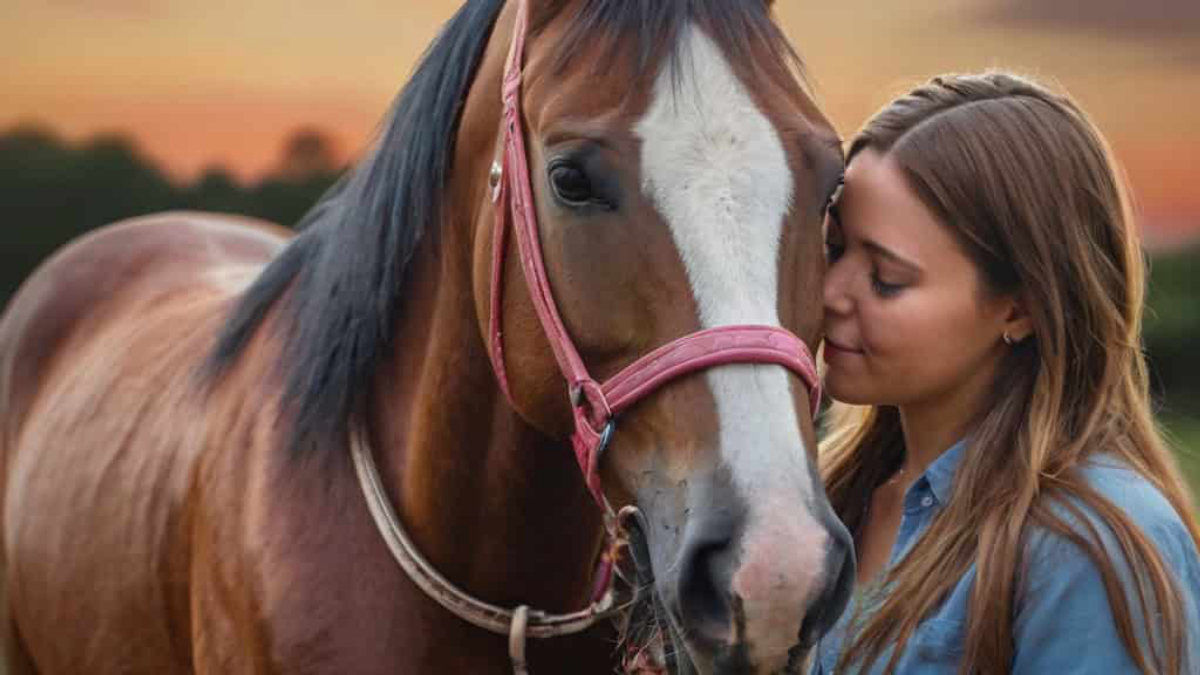
The power of horses: a quick recap
For generations, people have recognised the unique emotional presence of horses. Their calm energy, honest reactions, and ability to mirror human emotion make them powerful partners in personal growth. From trauma recovery to confidence building, horses offer a grounded and non-judgemental space where people can reconnect with themselves.
This power has often been harnessed in what is broadly called “equine therapy.” At Heartfelt Support, we believe the value of horses goes far beyond exercise. It’s in the way a participant stands taller after grooming a miniature pony, or the calm breathing that comes from walking a horse across a quiet paddock. But in 2025, the way we talk about these experiences matters more than ever.
We’ve been working in this field since 2022, and over that time we’ve made several changes to align ourselves with evolving NDIS policy. Our commitment to doing things the right way, both ethically and administratively, has only grown stronger with each shift in guidance.
What does the NDIS think about equine therapy?
The NDIA has taken a clear position: most equine-related services are not automatically eligible for funding. Their official guidelines list “animal therapy” alongside other alternative approaches that do not meet the NDIS’s definition of evidence-based support. Specifically:
“Animal therapy. For example, puppy therapy, goat therapy.”
— NDIS, “Supports that are not NDIS supports” (2024)
We have never billed as animal therapy and do not intend to. However, there’s nuance here. If a program is:
- Delivered by a qualified professional (such as a social worker), and
- Billed under the appropriate therapeutic support category, and
- Clearly aligned with participant goals in their NDIS plan
…then interaction with horses may be acceptable as part of the broader therapeutic approach. But the days of calling it “equine therapy” and hoping that label alone justifies it are over, even if any reasonable person would find that the most convenient and accurate name.
That’s why we’ve retired that term from our programs. We now offer two clearly differentiated services.
Our two programs compared
| Feature | Groundwork for Growth | Horse-Centred Social Connection |
|---|---|---|
| Quick description | A conversation about personal issues, difficulties or growth with a social worker, in an outdoor setting where horses are present. Therapy with horses, not “animal therapy.” | Recreational and social focus; session time can be extended or incorporated into other support outings. |
| Purpose | Therapeutic support aligned with NDIS goals | Capacity building and community participation |
| Staff | Qualified social worker or mental health practitioner | Experienced disability support worker |
| Funding category | Capacity Building: Improved Daily Living (15_621_0128_1_3) | Core: Social and Community Participation (04_104_0125_6_1) |
| Activities | Structured horse interaction linked to therapeutic goals | Grooming, walking, calm time with horses |
| Goal types supported | Emotional regulation, trauma recovery, communication | Confidence, social interaction, routine and responsibility |
| NDIS compliance | Yes. Delivered by qualified professional, plan-aligned. | Yes. Social participation activity, clearly scoped. |
| Cost to attend facility | Nil. No additional cost to attend our equine site. | Nil. No additional cost to attend our equine site. |
| Billing structure | One hour session + 10 minutes for notes | One hour session + 10 minutes for notes |
| Safety officer | Present at no charge to participant | Not present |
| Session location | May also take place in our art room, music room, counselling lounge, or in the community | May also take place in our art room, music room, counselling lounge, or in the community |
| Improves social skills | Yes, part of the programme design | Yes, part of the programme design |
| Assists with immediate issues | Yes, part of the programme design | Yes, but incidental to the aims of the programme |
| Offers movement and gentle exercise | Yes, but incidental to the aims of the programme | Yes, part of the programme design |
| Assists emotional regulation | Yes, part of the programme design | Yes, but incidental to the aims of the programme |
Why the words matter
Using horses in support work is incredibly powerful. But unless the service is described accurately, the funding could be knocked back, or worse, clawed back later. We’re committed to being fully transparent with participants, families, support coordinators and planners. These two programs reflect the real outcomes we’ve seen again and again. We’ve just reworded them to match the current expectations of the NDIS.
We’ve published a follow-up post: What Do I Need in My Plan to Access These Programs?
Ready to find out if we’re the right fit?
A free 15-minute consultation is a good place to start. No pressure, no commitment.
More from Heartfelt Support

Elements Employment Diversity Policy
Workplaces that are genuinely inclusive for people with disability don’t happen by accident. They require deliberate policy, ongoing commitment, and…
Types of Equine Therapy
Equine therapies are a group of support approaches that use horses to build confidence, regulate emotions, and develop skills. At…

The Neurodivergent Workforce Today and Tomorrow
Neurodiversity is a concept that recognises the natural variation in human cognition. Rather than treating differences such as autism, ADHD,…
My Job, by Astro the Disability Support Pony

NDIS Funding Is Now Split into Quarters. What That Means for You