
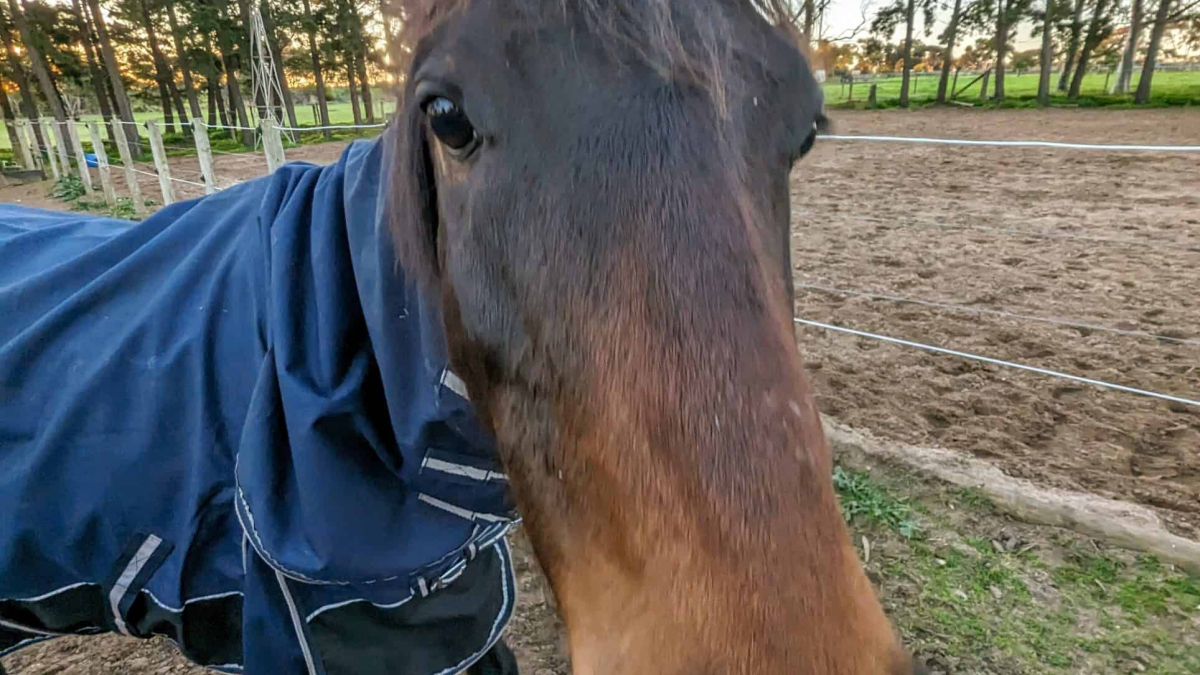
Equine therapies are a group of support approaches that use horses to build confidence, regulate emotions, and develop skills. At Heartfelt Support, we use several types of equine-based support to meet different needs and goals under the NDIS — and not all of them are formal “therapy” in the clinical sense.
Here’s what the main approaches look like, and how they differ.
Equine-Assisted Learning (EAL)
EAL focuses on building life skills — communication, self-awareness, problem-solving, and independence — through structured tasks with a horse. Activities like grooming, leading, and groundwork are guided by a trained facilitator, with the horse’s responses providing real-time feedback that verbal coaching can’t replicate.
EAL is practical and hands-on, and often a strong match for NDIS goals around independence and social engagement. No prior experience with horses is needed — in fact, most participants start from scratch, which is part of why it works. Learning to build trust with a large animal from the beginning has its own therapeutic value.
Equine-Assisted Psychotherapy (EAP)
EAP involves a mental health professional using horse interaction as part of a clinical therapeutic process. It’s typically used with people working through trauma, complex anxiety, grief, or significant emotional challenges, and requires a registered mental health practitioner in the session.
Heartfelt Support doesn’t currently offer formal EAP sessions, but our equine programs do incorporate therapeutic elements and help participants work toward personal and emotional goals. If you’re specifically looking for EAP, we can help point you toward appropriate resources.
Therapeutic Horsemanship
Therapeutic horsemanship focuses on building a relationship with a horse over time, in a calm and structured way. Participants learn to approach, care for, and work alongside a horse — developing routine, confidence, and trust through the process.
For many participants, the consistency and repetition of this type of engagement is what makes it valuable. It blends naturally with goal-setting and emotional regulation work, and can be particularly meaningful for people who benefit from a reliable, predictable structure in their support.
Horse-Centred Wellbeing (our own model)
At Heartfelt, we offer a flexible model that we call Horse-Centred Wellbeing — tailored outdoor, horse-based sessions designed around the individual rather than a fixed program structure.
This might include one-on-one mentoring with a horse present, gentle emotionally supportive sessions, or play-based interaction for younger participants. And not everything needs to be therapy: our Horse-Centred Wellbeing sessions also include non-therapeutic programs focused on joy, social connection, and calm. Read more about our Horse-Centred Wellbeing sessions.
Which type is right for you?
That depends entirely on your goals, your comfort with horses, and what kind of support you’re after. Some people benefit from highly structured therapeutic sessions. Others find that simply being near horses is calming and motivating — and that’s genuinely valuable too, even without a formal therapeutic framework.
At Heartfelt, we always start with a gentle introduction and build from there. See how our equine team works with participants or apply for our horse programs here.
Frequently asked questions
Are equine therapies funded under the NDIS?
Yes, they often are. Depending on your plan, equine therapy may be funded under Capacity Building, Therapeutic Supports, or Innovative Community Participation. We can help match the right funding category to your specific goals.
Do I need experience with horses?
No. Most of our participants have never worked with horses before — and that’s exactly how we like it. We start slowly and build confidence together at a pace that feels right for each person.
Do the sessions involve riding?
No. All of our equine therapy happens on the ground. Horses offer incredible therapeutic benefit just by being present — no saddles or reins required. You can read more about why we don’t offer riding and what we do instead.
Ready to find out if we’re the right fit?
A free 15-minute consultation is a good place to start. No pressure, no commitment.
More from Heartfelt Support

Elements Employment Diversity Policy
Workplaces that are genuinely inclusive for people with disability don’t happen by accident. They require deliberate policy, ongoing commitment, and…

The Neurodivergent Workforce Today and Tomorrow
Neurodiversity is a concept that recognises the natural variation in human cognition. Rather than treating differences such as autism, ADHD,…

My Job, by Astro the Disability Support Pony

NDIS Funding Is Now Split into Quarters. What That Means for You

NDIS Quarterly Funding Changes: When “Pacing” Becomes Pressure