
Want to understand how equine therapy works with the NDIS? Check out our complete guide to equine therapy in Adelaide.
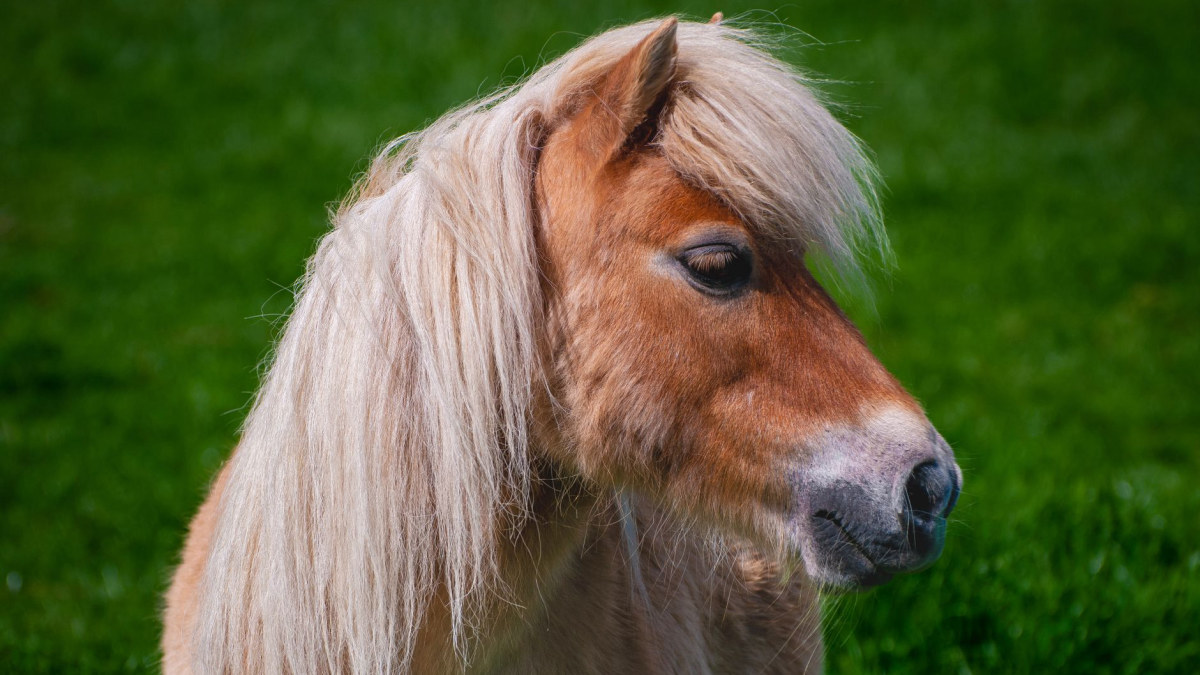
Miniature horses are small equines, typically less than a metre in height, with the same characteristics as their larger counterparts — just in a more compact form. Despite their size, they’re strong and sturdy animals with a gentle, friendly temperament. They’re also highly intelligent and respond well to training, which makes them genuinely well-suited to therapeutic settings.
Why miniature horses work well in therapy
The size of a miniature horse is itself therapeutic. Many people who might feel intimidated by a full-sized horse are much more comfortable approaching a smaller animal. That reduced barrier to connection means sessions can get started with less anxiety and build trust more quickly.
Beyond size, the characteristics that make miniature horses effective are the same as those that make all equine therapy horses effective: their sensitivity to human emotional states, their social nature, and their honest, uncomplicated responses. A miniature horse doesn’t pretend. If you’re calm, it’s calm. If you’re anxious, it notices.
Training a therapy horse
Preparing a miniature horse for therapeutic work involves a structured training process:
- Desensitisation: Exposure to varied stimuli — loud noises, unusual objects, different environments — so the horse responds with calm rather than alarm in unpredictable situations
- Groundwork: Basic commands and handling — leading, stopping, turning — which builds the foundation of trust and establishes clear communication between horse and handler
- Socialisation: Regular exposure to different people, animals, and settings so the horse is adaptable and at ease across a range of therapy contexts
Horse care as part of therapy
Participants in equine therapy don’t just interact with horses — they care for them. Grooming, feeding, and general handling form an important part of how therapeutic relationships with animals are built. For miniature horses, these care tasks are well-scaled for participants of all ages and physical capacities.
Proper care for a therapy miniature horse includes a balanced diet, regular dental checks, farrier visits for hoof care, and vaccination schedules. This standard of care is part of what makes a therapeutic horse reliable — a well-cared-for horse is a settled horse.
What therapeutic activities look like
Equine therapy with miniature horses is primarily ground-based. It includes:
- Grooming and bonding: Building connection through care and physical interaction
- Equine-assisted learning: Using the horse as a partner in structured activities that develop social skills, problem-solving, and self-confidence
- Reflective practice: Working with a therapist to explore what arises in the session — the horse’s responses become a mirror for what the participant is experiencing
The use of miniature horses in equine therapy programs is well-established beyond Australia too — university programs in the USA have incorporated miniature horses into campus wellbeing programs, reflecting their growing recognition as therapeutic animals in mainstream settings.
Astro at Heartfelt Support
At Heartfelt Support, our miniature horse is Astro — the Disability Support Pony. Astro works with participants across our equine therapy programs in Southern Adelaide, bringing exactly the combination of calm, curiosity, and connection that makes this kind of therapy effective.
Curious about whether working with a horse like Astro might suit your goals? Read about how we approach equine therapy under the NDIS or get in touch to talk through options.
Ready to find out if we’re the right fit?
A free 15-minute consultation is a good place to start. No pressure, no commitment.
More from Heartfelt Support

Elements Employment Diversity Policy
Workplaces that are genuinely inclusive for people with disability don’t happen by accident. They require deliberate policy, ongoing commitment, and…

Types of Equine Therapy
Equine therapies are a group of support approaches that use horses to build confidence, regulate emotions, and develop skills. At…

The Neurodivergent Workforce Today and Tomorrow
Neurodiversity is a concept that recognises the natural variation in human cognition. Rather than treating differences such as autism, ADHD,…

My Job, by Astro the Disability Support Pony

NDIS Funding Is Now Split into Quarters. What That Means for You