
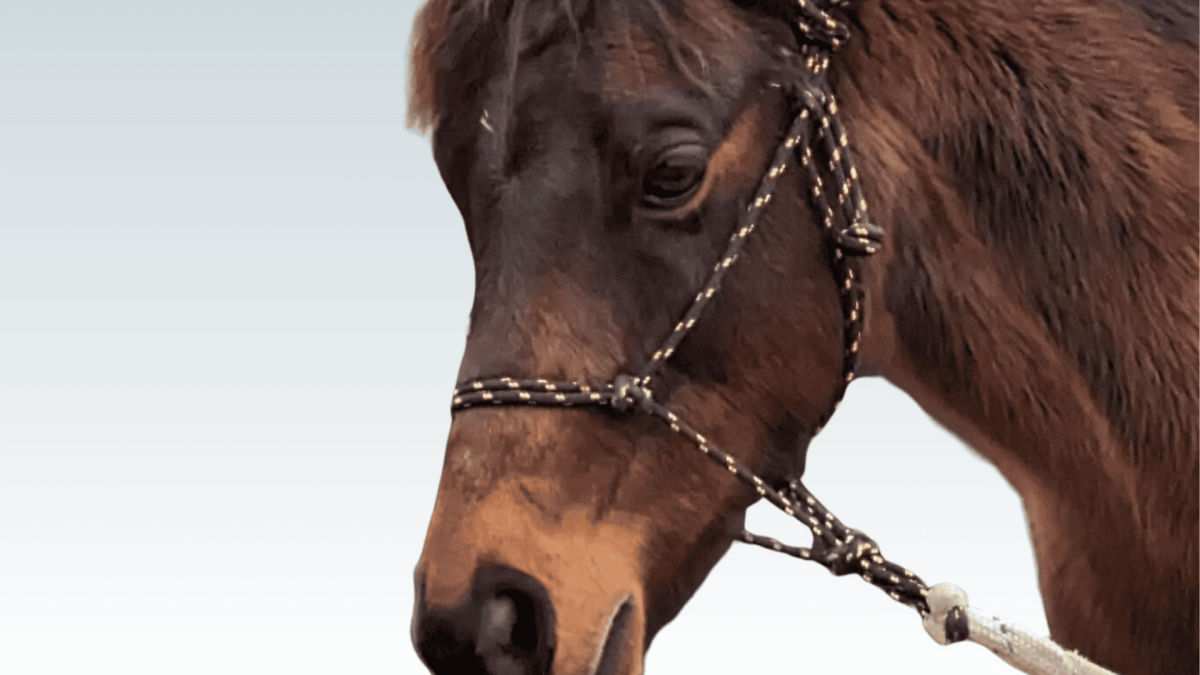
Quick answer: Horse riding is one possible component of equine therapy, but not a requirement. Research shows that grooming, leading, and simply spending time around horses can produce significant therapeutic benefits. At Heartfelt Support, sessions focus on groundwork and horse interaction rather than riding, for safety and accessibility reasons.
Equine therapy is becoming more widely understood, and with that comes a common question: does it involve riding? The short answer is that riding is one possible element of equine therapy — but not a necessary one, and at Heartfelt Support, it’s not part of what we offer.
Here’s the fuller picture.
Riding is one option, not the definition
Horseback riding is a legitimate aspect of some equine therapy programs. There are many different forms of equine therapy, and riding is just one of them. You can also do groundwork, grooming, leading, and simply spending time around horses — and the research shows that these interactions can be just as therapeutic as riding itself.
A study published in the Journal of Alternative and Complementary Medicine found that equine therapy produced significant benefits for people with PTSD using only grooming, leading, and observing horses. No riding involved. Participants reported feeling less anxious and less depressed after the program.
Another study, published in the Journal of Psychiatric and Mental Health Nursing, used a combination of groundwork and riding for people with depression — and found significant improvements in mood and overall wellbeing. So riding can work. It’s just not the only thing that does.
Research also suggests that equine therapy without riding can be particularly beneficial for people with sensory processing differences or autism. A study in the Journal of Autism and Developmental Disorders found that equine-assisted activities improved sensory processing and social skills in children with autism spectrum conditions — again, without any riding component.
Why Heartfelt doesn’t offer riding
We don’t offer horseback riding in our equine therapy programs. There are three reasons for this:
- Safety. We believe that incorporating riding into equine therapy requires a qualified horseback riding instructor on site. While this isn’t a legal requirement, it’s a standard we believe the whole industry should be held to — and it’s not something we’re currently set up to provide.
- Location. Our equine therapy programs run on acreage, but our setup isn’t designed for a riding program. The space and infrastructure riding requires don’t match what we currently have.
- Insurance. Equine riding insurance is complex, expensive, and in some cases would require us to reduce or restructure other programs. We’re not willing to trade the breadth of what we offer for a single additional activity type.
Where to access riding-based programs
For clients who specifically want horseback riding as part of their support, quite a few of our clients also attend Riding for the Disabled SA, which provides therapeutic riding programs for people with disability. It’s a well-run organisation and a good option if riding is a specific goal.
What we do offer
Our equine therapy at Heartfelt Support focuses on the full range of horse-human interaction that doesn’t require riding: grooming, groundwork, feeding, leading, and time spent simply being alongside the horses. For many clients, these interactions are where the real therapeutic work happens — learning to read a horse’s body language, managing anxiety in proximity to a large animal, or building self-regulation skills through calm, repetitive tasks.
We also use miniature horses in therapy — a particularly good option for clients who need a lower-impact or more sensory-friendly interaction. Find out more about what to expect in your first equine therapy session or check the complete guide to equine therapy and the NDIS.
Ready to find out if we’re the right fit?
A free 15-minute consultation is a good place to start. No pressure, no commitment.
More from Heartfelt Support

Elements Employment Diversity Policy
Workplaces that are genuinely inclusive for people with disability don’t happen by accident. They require deliberate policy, ongoing commitment, and…
Types of Equine Therapy
Equine therapies are a group of support approaches that use horses to build confidence, regulate emotions, and develop skills. At…

The Neurodivergent Workforce Today and Tomorrow
Neurodiversity is a concept that recognises the natural variation in human cognition. Rather than treating differences such as autism, ADHD,…
My Job, by Astro the Disability Support Pony

NDIS Funding Is Now Split into Quarters. What That Means for You