
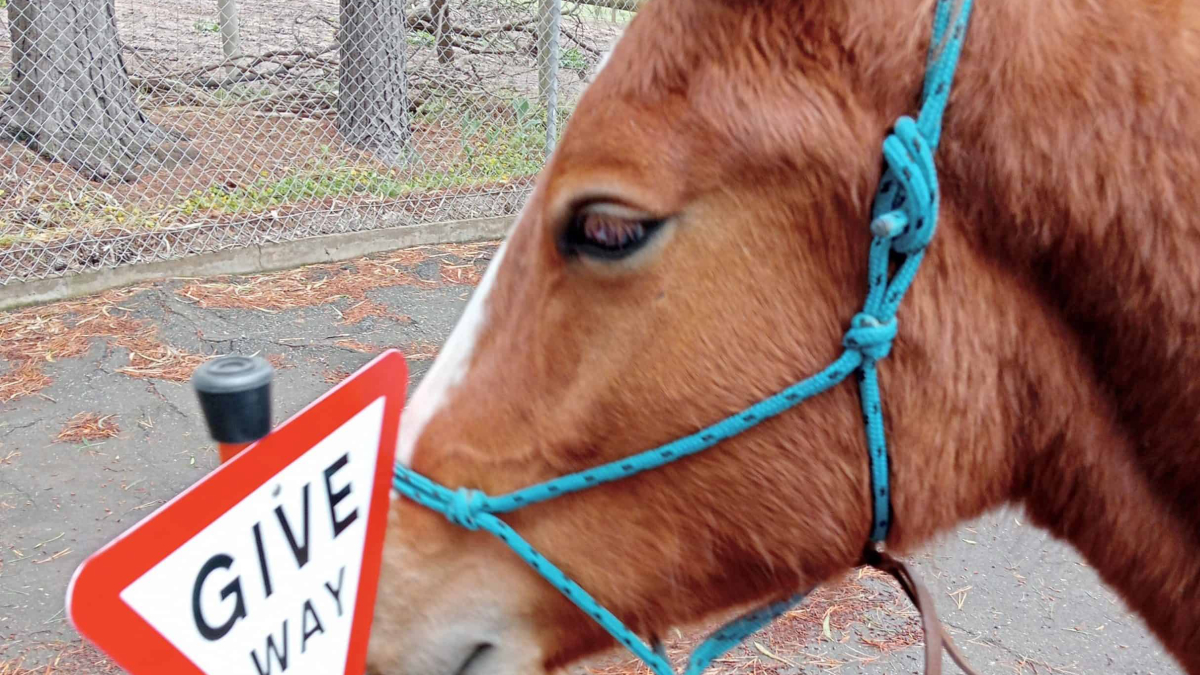
A first equine therapy session can feel unfamiliar — even for people who are excited about it. Most people have never worked with a horse before, and not knowing what to expect can make it feel daunting. Here’s a detailed picture of what a session typically looks like, from arrival to finish.
Arriving and meeting the team
When you arrive, you’ll be greeted by the session leader and a safety officer. Before any horse interaction begins, they’ll take time to talk through how the session works, what you’ll be doing, and answer any questions you have. The horses are introduced gradually — your session leader will tell you about the horse or horses you’ll be working with, including their temperament and how they respond to people.
Getting ready for your first equine therapy session
What to bring
- Closed-toe shoes
- Comfortable, older clothes
- Water bottle
- Any communication aids you use
- An open mind
What to leave behind
- Expectations of what should happen
- Strong perfumes or scented products
- Food or horse treats (unless arranged)
- Worry about doing it wrong
There is no right or wrong way to engage with Astro. Your support worker guides each session based on how you are on the day.
There’s no rush in this part. The introduction is an important part of the session, not a formality before the “real” work begins.
Grooming and first contact
The session typically begins with grooming — brushing the horse’s coat, mane, and tail, and learning how to approach and handle them safely. This is an excellent way to get to know the horse and form an initial bond. For many people, this is the most calming part of the session: the repetitive, deliberate nature of grooming has a grounding effect that’s noticeable quite quickly.
Grooming also teaches you to read the horse — to notice when they’re relaxed, when they’re curious, and when they’d prefer you to slow down. Horses communicate constantly through their posture, ears, breathing, and movement. Learning to notice those signals is itself a therapeutic skill.
Groundwork and movement
After establishing initial contact, you’ll typically move into some groundwork — learning to guide the horse around the arena using body language and vocalisation rather than physical force. You’ll learn to walk alongside the horse, change directions, and stop and start, communicating through your posture, breathing, and energy rather than commands.
This is where a lot of the therapeutic work happens. Horses respond to the emotional state of the person they’re working with — if you’re tense, they’re likely to be tense. If you’re calm and focused, they respond to that too. Developing the self-regulation needed to communicate clearly with a horse is practice that transfers directly into everyday life.
Working toward your goals
Once the groundwork fundamentals are established, your session leader will introduce activities tailored to your therapeutic goals. These vary significantly depending on what you’re working toward — building confidence, managing anxiety, developing communication skills, improving emotional regulation, or working through trauma. The exercises are designed to help you practise and develop these skills in the context of the horse relationship.
Throughout the session, the pace is yours. If something feels like too much, you say so. If you want to spend longer on one activity, that’s possible too. The whole session is a conversation — between you, your support team, and the horse.
What you might notice
Most people find that the gentle presence and calm energy of the horse produces a noticeable reduction in stress and anxiety — often within the first 20 minutes. The horse’s playful curiosity also tends to produce genuine moments of lightness; it’s common for participants to find themselves smiling or laughing in ways they didn’t expect.
By the time the session closes, most people report feeling refreshed rather than depleted. There’s often a sense of having accomplished something real — even in a first session — combined with wanting to come back.
What to know before you come
No experience with horses is needed. Wear comfortable, closed-toe shoes — boots or sturdy sneakers are ideal. Loose clothing that you don’t mind getting dusty or marked is practical. If you have specific physical needs or mobility considerations, let us know in advance so we can set things up appropriately.
Find out more about our equine therapy approach or apply for our horse programs here.
Ready to find out if we’re the right fit?
A free 15-minute consultation is a good place to start. No pressure, no commitment.
More from Heartfelt Support

Elements Employment Diversity Policy
Workplaces that are genuinely inclusive for people with disability don’t happen by accident. They require deliberate policy, ongoing commitment, and…
Types of Equine Therapy
Equine therapies are a group of support approaches that use horses to build confidence, regulate emotions, and develop skills. At…

The Neurodivergent Workforce Today and Tomorrow
Neurodiversity is a concept that recognises the natural variation in human cognition. Rather than treating differences such as autism, ADHD,…
My Job, by Astro the Disability Support Pony

NDIS Funding Is Now Split into Quarters. What That Means for You