
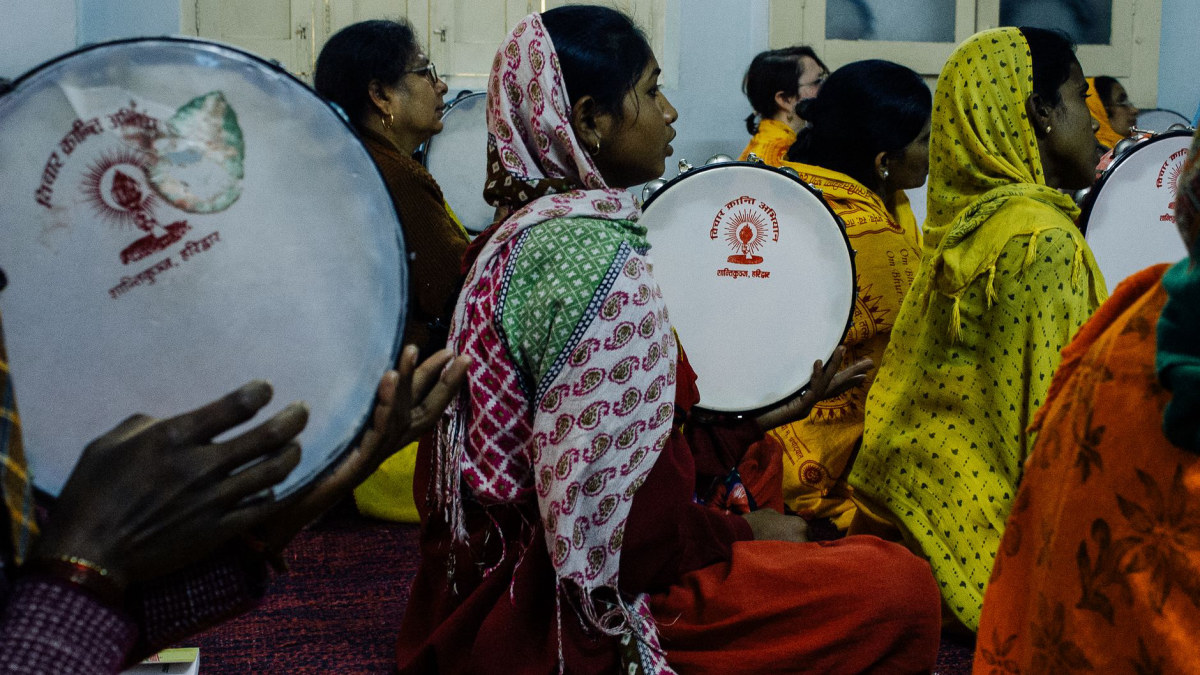
Music has a consistent record as a therapeutic and developmental tool for people with disability — and the research backs up what practitioners have long observed. At Heartfelt Support, music programs are part of how we help participants build skills, express themselves, and connect with others. Here’s a look at what the evidence shows and what participants can expect.
Communication skills
Music programs can meaningfully improve communication skills. Musical activities involve multiple forms of communication — non-verbal cues, gestures, rhythm, and emotional expression — which build confidence and develop social skills in ways that feel natural and enjoyable. Singing and playing instruments can also provide a means of self-expression for people who find verbal communication difficult, enabling them to communicate emotions and thoughts through music instead.
Mood and emotional regulation
Music programs have a positive impact on mood and emotional regulation. Listening to music, singing, and playing instruments releases endorphins in the brain, producing feelings of happiness and wellbeing. Participating in music programs can also build a sense of accomplishment and boost self-esteem. For people with psychosocial disability, these effects can be significant.
Cognitive functioning
Research has shown that playing an instrument can improve memory, attention, and overall cognitive skills. Music also helps develop language, social, and emotional skills, as well as fine motor skills. The cognitive demands of music — managing rhythm, lyrics, pitch, and timing simultaneously — build cognitive flexibility and strengthen neural connections. For people with acquired brain injury, dementia, or intellectual disability, these benefits can be genuinely therapeutic.
Physical ability
Playing an instrument or singing engages physical coordination, fine motor skills, and core muscles. The movements involved can build strength and dexterity, which is particularly useful for people with physical disability. Music programs also provide engaging physical activity in a form that feels enjoyable rather than clinical.
Self-expression
Music gives people a way to communicate feelings, emotions, and experiences in a creative and engaging way. This is particularly important for individuals who struggle to express themselves verbally or through traditional communication methods. Participating in music programs builds a sense of pride and accomplishment, and the repetitive and structured nature of music can also help with focus and sensory processing for people with cognitive and sensory challenges.
Social connection
Group music activities encourage people to engage with others in a shared experience, building community and belonging. This can lead to better communication and teamwork skills, as well as increased confidence and self-esteem. For people who experience social isolation — which is common among NDIS participants — the social dimension of music programs is often one of the most valued outcomes.
What the research shows
- A study published in the Journal of Autism and Developmental Disorders (2011) found that music therapy was effective in improving social and communicative skills in children with autism.
- A systematic review published in the Journal of Music Therapy (2014) found music therapy effective in improving socialisation, communication, and emotional regulation for people with developmental disabilities.
- A study in the Journal of Intellectual and Developmental Disability (2018) found music therapy effective at improving social skills, self-esteem, and emotional regulation for adults with intellectual disabilities.
- A systematic review in the American Journal of Alzheimer’s Disease and Other Dementias (2016) found music therapy improves mood, reduces behavioural symptoms, and enhances cognitive function in people with dementia.
The results of these studies consistently indicate that music therapy is a valuable intervention across a wide range of disability types and support needs.
Music programs at Heartfelt Support
Heartfelt Support offers social music programs alongside Art Therapy. We believe that many of the benefits associated with formal music therapy can be achieved through well-designed social music programs — often at a lower cost. Our programs incorporate various therapeutic approaches tailored to each participant’s needs and abilities, helping people to express themselves, improve communication, build confidence, and increase their overall quality of life.
Many participants also find that pairing music programs with art therapy produces stronger outcomes than either alone. If you’d like to find out more, visit our art and music page or get in touch.
Ready to find out if we’re the right fit?
A free 15-minute consultation is a good place to start. No pressure, no commitment.
More from Heartfelt Support
Elements Employment Diversity Policy
Workplaces that are genuinely inclusive for people with disability don’t happen by accident. They require deliberate policy, ongoing commitment, and…

Types of Equine Therapy
Equine therapies are a group of support approaches that use horses to build confidence, regulate emotions, and develop skills. At…

The Neurodivergent Workforce Today and Tomorrow
Neurodiversity is a concept that recognises the natural variation in human cognition. Rather than treating differences such as autism, ADHD,…

My Job, by Astro the Disability Support Pony

NDIS Funding Is Now Split into Quarters. What That Means for You