
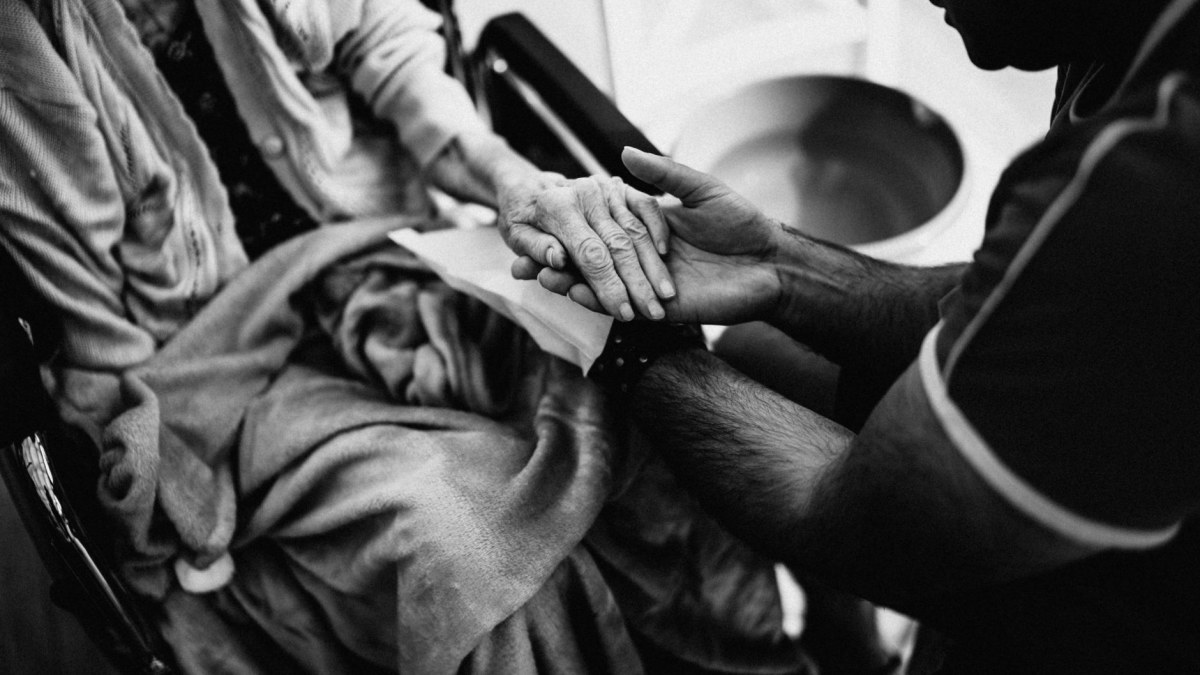
A question that comes up often in support work circles: what actually makes a great disability support worker? Not a competent one — there are plenty of those — but a genuinely great one?
David Seabury said: “Enthusiasm is the best protection in any situation. Wholeheartedness is contagious. Give yourself, if you wish to get others.” It’s a useful starting point. Asking the question at all is the biggest step forward — and the answer matters.
The qualities that matter
The job is unlike almost any other. It’s the difference between sitting back and watching, or getting involved in something that makes a genuine difference to someone’s life. These are the qualities that consistently separate good support workers from great ones.
Honesty and integrity
Support workers often hold significant trust. They’re present for intimate moments, they know details about a person’s life and health, and the people they support may have limited ability to raise concerns if something isn’t right. Honesty — about what you can do, what happened, what you noticed — is foundational.
Kindness and empathy
These are not inexhaustible qualities. They need to be reinforced and sustained if you’re going to use them every day without flagging. A support worker who brings genuine warmth — not performed warmth — has an effect on the people they support that’s difficult to measure but impossible to miss.
Patience
Support work involves a lot of waiting, a lot of uncertainty, and a lot of situations that don’t resolve quickly. Patience isn’t passive — it’s an active commitment to remaining steady when a situation is slow, difficult, or frustrating. It’s one of the qualities that clients most consistently value in the support workers they trust.
Flexibility and adaptability
Clients are all different. This is one of the most significant factors in an industry where training sometimes encourages people to think otherwise. You’ll never know exactly when or how a client will need you, so being able to cope with uncertainty — and shift course without friction — is genuinely valuable. The best support workers can make a reasonable call about what might be needed next and be prepared, then change course if the situation changes.
Active listening
A lot of people hear. Fewer people listen. Active listening means being present, following what’s actually being said (and what isn’t), and responding to the person rather than to your own assumptions about what they need. For people who’ve had their preferences routinely overridden or ignored, having someone who actually listens is significant.
The harder question
Beyond the qualities themselves, the real question is: can you commit to this as a career? It requires a dedicated person to stay with this work long term. The qualities above aren’t things you turn on when you walk in the door — they require genuine care, maintained consistently over time.
If you are offered a $99 tyre for your car, and then you’re told that you can have a $3,500 tractor tyre for the same price, you are not going to take the upgrade — because your car isn’t going to run well if one of the tyres is nine times bigger than it should be.
The point being: it’s hard to say what would make you the greatest support worker the world has ever known. But it’s not hard to say what would make you the greatest support worker a particular client has ever known. It’s understanding. People want support workers who genuinely “get them.”
From there, you just need more clients. If you’ve got a full roster — one, two, twelve, whatever suits your circumstances — and every single client thinks you’re the best support worker they’ve ever had, that’s enough.
In fact, it’s more than enough. Mission accomplished.
Ready to find out if we’re the right fit?
A free 15-minute consultation is a good place to start. No pressure, no commitment.
More from Heartfelt Support

Elements Employment Diversity Policy
Workplaces that are genuinely inclusive for people with disability don’t happen by accident. They require deliberate policy, ongoing commitment, and…

Types of Equine Therapy
Equine therapies are a group of support approaches that use horses to build confidence, regulate emotions, and develop skills. At…

The Neurodivergent Workforce Today and Tomorrow
Neurodiversity is a concept that recognises the natural variation in human cognition. Rather than treating differences such as autism, ADHD,…

My Job, by Astro the Disability Support Pony

NDIS Funding Is Now Split into Quarters. What That Means for You