
Quick answer: Person-centred support means starting with the person’s goals and preferences, not a pre-set service model. In practice: asking before assuming, adjusting when and how support is delivered, and respecting how someone chooses to live their life. Many providers use the phrase; fewer make it real in day-to-day interactions.
Everyone says they’re “person-centred.” But what does that actually mean — on a Tuesday, when it’s raining, the client’s cat won’t come out from under the couch to go to the vet, and the support worker has another shift straight after?
Easy to say. Harder to live.
“Person-centred” is on every provider’s website. It’s in every NDIS handbook. It shows up in training sessions and service agreements like clockwork. But too often, that’s where it stays — on paper.
At Heartfelt Support, we think it’s time to bring it back to life. Here’s what person-centred support actually looks like in real situations, compared to the usual industry language.
Getting started
| What others say | What we do at Heartfelt |
|---|---|
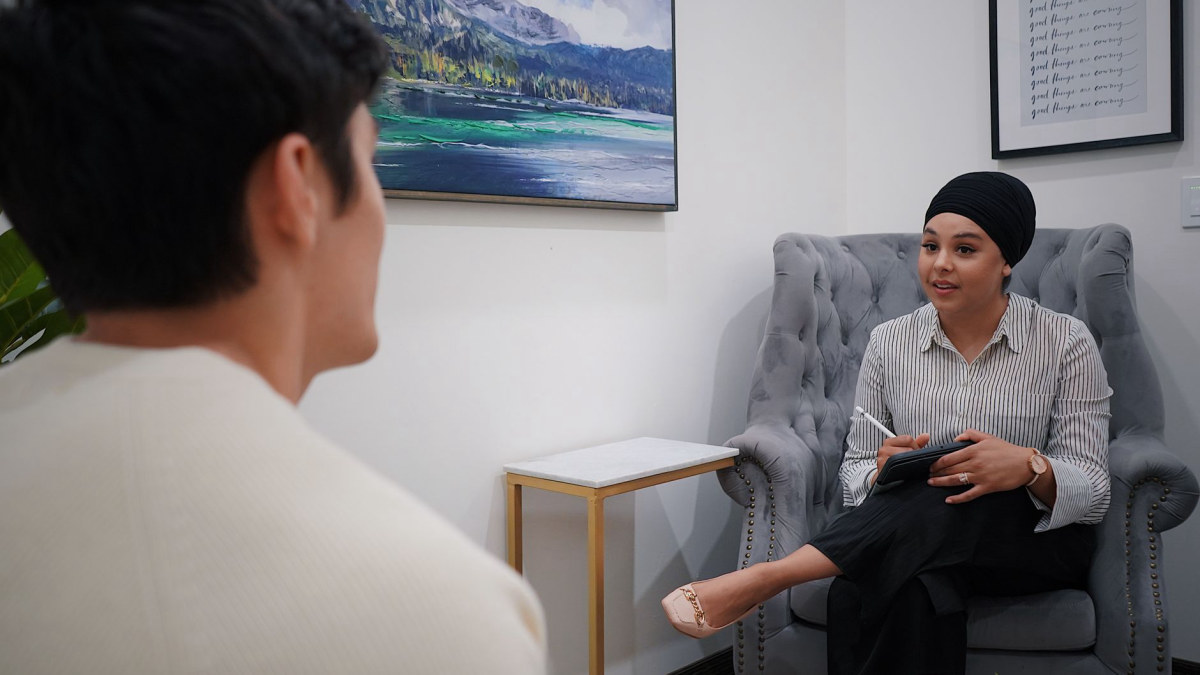
| “We begin with a person-centred assessment of your needs.” | We start with a conversation. You talk. We listen. We ask about what you love, what’s tough, and what kind of support would make life smoother. |
| “Our services are matched to participant goals.” | If you tell us you’re overwhelmed by rotating staff, we don’t give you a rotating team. We give you Jodie, who knows your dog’s name and how you like your tea. |
| “Supports are tailored to the individual.” | Your plan might include therapy, housework help, or gardening. We don’t fit you into a box — we build something around you. |
Daily support — the human bit
| What others say | What we do at Heartfelt |
|---|---|
| “We assist participants with daily living activities.” | Maybe it’s cooking. Maybe it’s walking the long way to the shop just to get out of the house. Or sitting on the floor folding washing and having a chat. That’s support too. |
| “We empower participant choice and control.” | You’re in charge. If you want to change the plan halfway through the shift, we’ll go with it. |
| “Our supports focus on participant goals.” | Goals don’t have to be grand. “Try something new this week” or “Just have one calm morning” — those count. And we’re here for them. |
The people behind the support
| What others say | What we do at Heartfelt |
|---|---|
| “Our team is trained in person-centred care.” | Training is good. But we also hire for heart. Our support workers know how to turn up quietly on tough days, and with a well-timed joke on good ones. |
| “We encourage rapport between participants and workers.” | Rapport isn’t a checkbox. It’s built through shared moments, favourite playlists, and being open to a chat — or not — depending on the day. |
| “Our services are trauma-informed.” | Trauma-informed isn’t a phrase to us. It’s how we step gently, respect boundaries, and never rush your story. |
A real example
One of our participants recently had enough funding for just one therapy. Their plan goals pointed to seeing a social worker — but their heart? That belonged to horses.
We could have stuck to the paperwork. Instead, we asked: why not both? So we arranged for their social work sessions to take place during horse interactions, with one of our social workers leading the session at the paddock.
Same goals. Same funding. Far more connection, calm, and joy. That’s person-centred in practice — not just policy.
And yes — support should include joy
Person-centred support isn’t just about goals and checklists. It’s also about joy. Whether that means laughing through a music session, grooming a horse, or planting something just because it makes you smile — support should feel good, not just be good.
Why it matters
True person-centred support is a feeling. It’s being heard when you don’t have the words. Not having to explain yourself over and over. Having support that fits, instead of support you have to work around.
It’s knowing that the people showing up for you are doing it with genuine care, not just because they’re rostered on.
Also worth reading: Robert Godden, our Managing Director, wrote a version of this for a wider audience — What Australia’s Disability System Taught Me About Listening First, published on Medium.
Ready to find out if we’re the right fit?
A free 15-minute consultation is a good place to start. No pressure, no commitment.
More from Heartfelt Support

Elements Employment Diversity Policy
Workplaces that are genuinely inclusive for people with disability don’t happen by accident. They require deliberate policy, ongoing commitment, and…

Types of Equine Therapy
Equine therapies are a group of support approaches that use horses to build confidence, regulate emotions, and develop skills. At…

The Neurodivergent Workforce Today and Tomorrow
Neurodiversity is a concept that recognises the natural variation in human cognition. Rather than treating differences such as autism, ADHD,…

My Job, by Astro the Disability Support Pony

NDIS Funding Is Now Split into Quarters. What That Means for You