
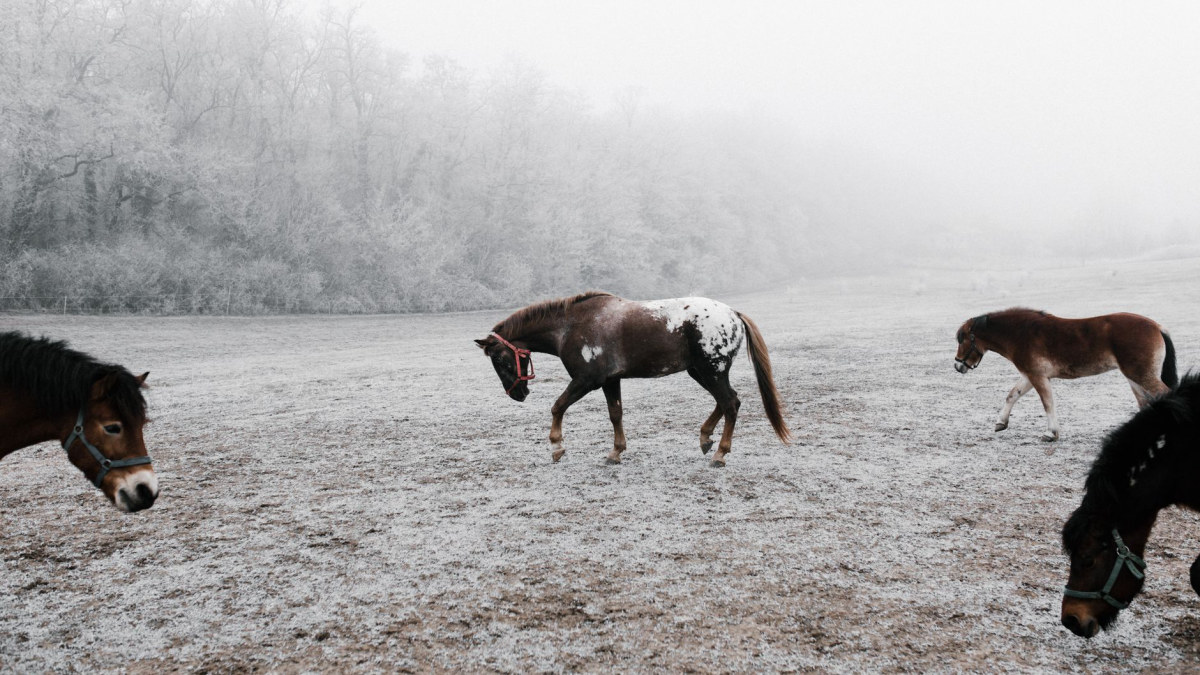
Hanging out with horses is always good. In winter, though, the environment can be a little too good — as in genuinely cold, probably raining, and hard to motivate yourself to leave the house for.
Adelaide winters are relatively mild compared to much of Australia, but they’re still enough to put people off outdoor therapy sessions. So what are your options if you’re in an equine therapy program and the weather isn’t cooperating?
Curious about equine therapy in general? Take a look at our complete guide to equine therapy and the NDIS.
Transition to art or music during the cooler months
Many of our participants move to art or music sessions during winter. Both therapies have their own distinct benefits — and for some people, the shift in medium can be genuinely refreshing. Art therapy offers creative expression and emotional processing in a warm indoor space. Music therapy engages memory, coordination, and mood in ways that complement equine work beautifully.
If you already have capacity building funding in your plan, both are legitimate supports. Your support worker or coordinator can help you make the transition smoothly.
Horse-related outings that work year-round
Being near horses doesn’t always mean being in an outdoor paddock. We often run minibus trips in winter to horse-related activities, events, and venues that are accessible regardless of the weather. If you love horses but the outdoor setting is the limiting factor, this is a great alternative to staying home altogether.
Explore other animals
Some animals are far more indoors-friendly. A visit to a cat cafe, working with your own pet on a new skill, or volunteering at an animal rescue can offer many of the same grounding, calming benefits as equine interaction — without the weather challenge.
Use the break to plan ahead
Winter is a genuinely useful time to think about what you want to achieve when sessions resume in spring. What goals haven’t quite clicked yet? What would you like to try differently? Having a conversation with your provider about the upcoming season means you can hit the ground running when the weather turns.
Staying connected with your progress
One of the underrated benefits of switching therapies during winter rather than pausing entirely is continuity. Therapeutic progress — confidence, emotional regulation, trust-building — doesn’t have to stop just because the horses are in from the rain. Maintaining a support rhythm, even in a different form, helps you stay engaged and keeps the momentum going.
At Heartfelt Support, we work with participants to keep their support meaningful across all seasons. If you’re not sure how to navigate a winter break in your equine program, talk to us — we’ll help you figure out what makes sense for your plan and your goals.
And yes — we are all very much looking forward to spring.
Planning ahead for warmer days? Read about how we make the most of outdoor therapy during summer in Adelaide.
Ready to find out if we’re the right fit?
A free 15-minute consultation is a good place to start. No pressure, no commitment.
More from Heartfelt Support

Elements Employment Diversity Policy
Workplaces that are genuinely inclusive for people with disability don’t happen by accident. They require deliberate policy, ongoing commitment, and…

Types of Equine Therapy
Equine therapies are a group of support approaches that use horses to build confidence, regulate emotions, and develop skills. At…

The Neurodivergent Workforce Today and Tomorrow
Neurodiversity is a concept that recognises the natural variation in human cognition. Rather than treating differences such as autism, ADHD,…

My Job, by Astro the Disability Support Pony

NDIS Funding Is Now Split into Quarters. What That Means for You