
Music programs and music therapy are related but distinct. Music therapy is a clinical discipline delivered by a credentialed therapist with specific therapeutic goals. Music programs — instrumental lessons, group sessions, band practice, social music-making — offer their own significant benefits, and don’t require a clinical framing to be genuinely valuable.
For people with disability, participation in music programs can be a meaningful part of building capacity, connection, and quality of life. Here’s what the research and experience shows.
Stress reduction and physical relaxation
Music has well-documented effects on the nervous system. Research on the impact of music on individuals with disability has found that music can reduce muscle tension, lower blood pressure, slow breathing, and promote calm. Simply listening to music — let alone actively participating — engages the body’s relaxation response.
For participants who experience heightened anxiety or sensory sensitivity, this physiological effect is meaningful. A music program can provide a reliable, repeatable way to shift into a calmer state.
Motor skills and coordination
Playing an instrument requires the hands, arms, and sometimes the whole body to work together in coordination. The fine motor demands of holding a pick, pressing strings, or using drumsticks build hand-brain coordination through regular, engaging practice. Unlike exercises designed specifically for motor development, music practice is inherently motivating — the goal is making something that sounds good, not completing a drill.
Cognitive development
Learning music requires memory, attention, pattern recognition, and sequential processing. Regular practice builds these skills in ways that transfer beyond the instrument itself. For children and adults with intellectual disability, this cognitive engagement can be a valuable complement to other supports in a plan.
Social connection and confidence
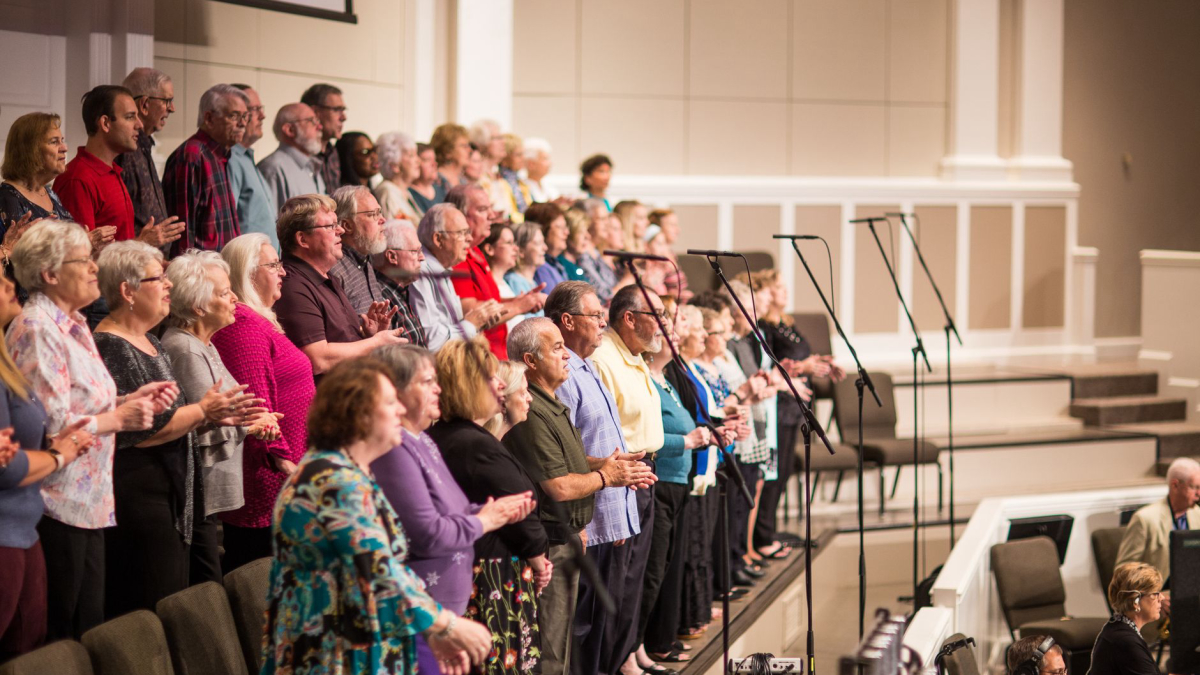
Group music programs — band practice, choir, ensemble sessions — provide a structured social context that many people find more accessible than unstructured socialising. Music gives people a shared focus and a shared activity, which lowers the social stakes and creates natural opportunities for connection.
For participants who experience social anxiety or difficulty initiating conversation, having a role within a group — playing a specific instrument, contributing to a specific part — provides structure and belonging without requiring the same kind of social navigation that open social situations demand.
Emotional expression in a safe environment
Music offers a form of expression that doesn’t require words. For people who find emotional articulation difficult — whether due to autism, psychosocial disability, or communication differences — music can be a channel for what’s happening internally. Playing something, creating something, or responding to music can surface emotional states in a way that’s productive rather than overwhelming.
Music programs at Heartfelt Support
At Heartfelt Support, our music programs are designed for participants across a range of abilities and goals. Whether you’re picking up an instrument for the first time, working towards a performance, or simply looking for a regular activity with social and creative value, there’s a way in that suits where you are.
If you’d like to explore what might work for you, get in touch and we can talk through the options.
Ready to find out if we’re the right fit?
A free 15-minute consultation is a good place to start. No pressure, no commitment.
More from Heartfelt Support

Elements Employment Diversity Policy
Workplaces that are genuinely inclusive for people with disability don’t happen by accident. They require deliberate policy, ongoing commitment, and…

Types of Equine Therapy
Equine therapies are a group of support approaches that use horses to build confidence, regulate emotions, and develop skills. At…

The Neurodivergent Workforce Today and Tomorrow
Neurodiversity is a concept that recognises the natural variation in human cognition. Rather than treating differences such as autism, ADHD,…

My Job, by Astro the Disability Support Pony

NDIS Funding Is Now Split into Quarters. What That Means for You