
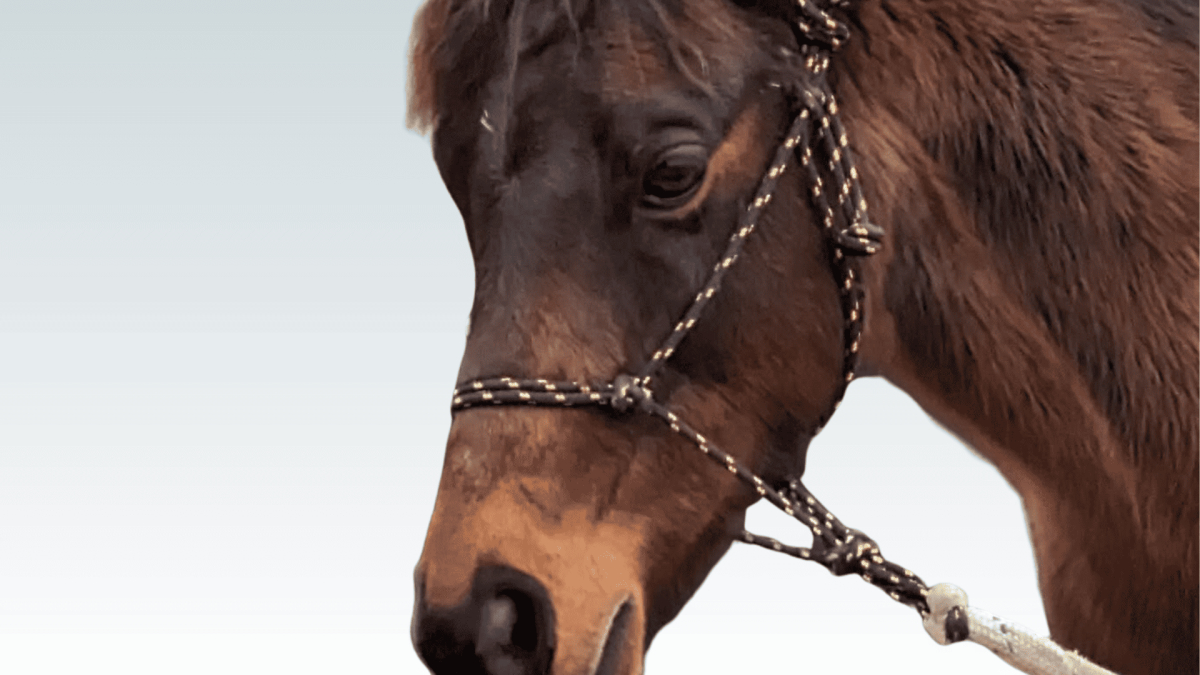
The relationship between humans and horses as a source of healing is far older than the formal practice of equine therapy. What began as an intuition about the restorative power of being around horses has, over the last century, developed into a recognised clinical discipline with a growing evidence base.
Here’s how the field developed.
Early domestication (around 6000 BCE)
The bond between humans and horses stretches back thousands of years. As horses were domesticated, relationships formed that went beyond utility — a connection that those working with horses today would recognise in how horses respond to human emotional states, and how humans respond to being in proximity to horses.
1875: First recorded therapeutic use
The U.S. Army’s Surgeon General, William Hammond, documented the use of horseback riding as a therapeutic treatment for patients with neurological conditions. This is the earliest formal written record of horses being used with a deliberate therapeutic intent — a relatively early recognition that movement, rhythm, and the horse-human interaction could produce physical and psychological benefit.
1918: Horses in physical rehabilitation
During the influenza epidemic, patients with weakened respiratory systems were prescribed horseback riding as a means of strengthening lung capacity and improving physical health. The rhythmic movement of riding was observed to engage the core, improve posture, and support breathing — early evidence of what therapeutic riding programs would later formalise.
1946: Riding for the Disabled
In England, a group of practitioners established the British Riding for the Disabled Association — an organisation dedicated to providing horseback riding therapy for people with disability. This marked the beginning of an organised movement around therapeutic riding, which would spread globally over the following decades.
1960s: Equine-facilitated psychotherapy
In the United States, psychologists began incorporating horses into psychotherapy sessions, using horse behaviour and the horse-client interaction as a vehicle for therapeutic insight. This was the beginning of equine-facilitated psychotherapy — work that moved beyond physical rehabilitation into emotional and psychological healing. The horse became not just a medium of movement, but a genuine therapeutic partner.
1990s: Research and formal recognition
The 1990s saw a significant increase in formal research on equine therapy’s benefits across physical, psychological, and social domains. The field gained credibility within mainstream healthcare and allied health, and accreditation bodies began establishing training and certification standards for equine therapy practitioners.
Equine therapy today
Equine therapy is now offered across mental health treatment centres, rehabilitation facilities, disability support organisations, and schools. The field encompasses a range of modalities — from therapeutic riding to equine-facilitated psychotherapy to equine-assisted learning — each with its own evidence base and application. The bond between humans and horses, it turns out, has always been worth taking seriously.
At Heartfelt Support, we started our equine therapy program in 2020. We’ve come a long way since then — and the horses have been central to every step of it. Find out more about our equine therapy approach or how equine therapy works with the NDIS.
Ready to find out if we’re the right fit?
A free 15-minute consultation is a good place to start. No pressure, no commitment.
More from Heartfelt Support

Elements Employment Diversity Policy
Workplaces that are genuinely inclusive for people with disability don’t happen by accident. They require deliberate policy, ongoing commitment, and…

Types of Equine Therapy
Equine therapies are a group of support approaches that use horses to build confidence, regulate emotions, and develop skills. At…

The Neurodivergent Workforce Today and Tomorrow
Neurodiversity is a concept that recognises the natural variation in human cognition. Rather than treating differences such as autism, ADHD,…

My Job, by Astro the Disability Support Pony

NDIS Funding Is Now Split into Quarters. What That Means for You