Quick answer: SA’s built environment often excludes people with disabilities because accessibility requirements are treated as compliance minimums rather than genuine design standards. Many developments meet legal requirements narrowly while still failing users with disability. This article argues that inclusive design — building for everyone from the start — is both better for society and, in many cases, no more expensive than the alternative.
Opinion piece by Robert Godden, Managing Director, Heartfelt Support.
South Australia is growing. Houses are springing up on the edges of cities. Town centres are getting new facades, new facilities, new energy. Politicians talk about infrastructure like it’s a badge of honour. Developers talk about opportunity.
But there’s one question no one seems to be asking:
Why does so little of what gets built in South Australia include people with disabilities?
First — this isn’t about tradies or construction grants
If you landed here looking for SA government housing incentives, tradie information, or details about the construction boom — that’s not what this article is about.
But maybe it should be. Because every new home, street, office, or park that gets built without considering people with disabilities is a missed opportunity. Not just for those individuals — but for the whole community.
Building more does not mean building better
We keep hearing the phrase “build back better.” But better for whom?
- A house on a new estate with four steps to the front door isn’t better for someone using a walker.
- A new library that doesn’t account for sensory needs isn’t better for someone with autism.
- A park without a single accessible toilet isn’t better for anyone.
We don’t need more buildings. We need buildings that welcome everyone.
The standards are there — they’re just not used
It’s not that we don’t know how to build inclusively. There are national standards, universal design principles, and NDIS housing strategies that spell it all out. But when it’s not mandatory, it’s often ignored.
Some developers include token ramps and tick-the-box accessible car parks — but they don’t build with dignity or functionality in mind. Others do it properly. But they’re rare, and usually doing it quietly, for profit or for a very specific niche.
Inclusive design isn’t just about wheelchair access
When we talk about inclusive design, we’re talking about housing that works for people as they age, spaces that reduce anxiety and overwhelm, layouts that let carers do their job safely, environments that promote independence, and buildings that don’t assume everyone is the same.
This benefits people with disabilities — but it also benefits parents with prams, older people, people recovering from surgery, and people with chronic pain, fatigue, or sensory sensitivity. The honest truth is that inclusive design eventually benefits almost everyone.
Why it matters to us
At Heartfelt Support, we see it firsthand. Clients can get the right services, the right plan, and still be excluded — because their environment lets them down. There’s something particularly difficult about seeing a beautiful new community centre, or a row of houses, and realising that the people we support aren’t really welcome there. Not because anyone says so — but because the design says it for them.
What can be done?
A few things, none of them complicated:
- Call it out when public projects ignore inclusive design.
- Champion builders and designers who do get it right.
- Ask questions about accessibility — even when it’s not your issue.
- Support policies that embed inclusive design in planning frameworks.
We’re not anti-progress. But progress that leaves people behind isn’t progress at all. Inclusive design is not hard. It takes intention — and a little imagination.
We know how to build better. The real question is: why aren’t we doing it?
We can’t redesign the whole world — but we can support people to navigate it. Find out how our mentoring and recovery coaching helps.
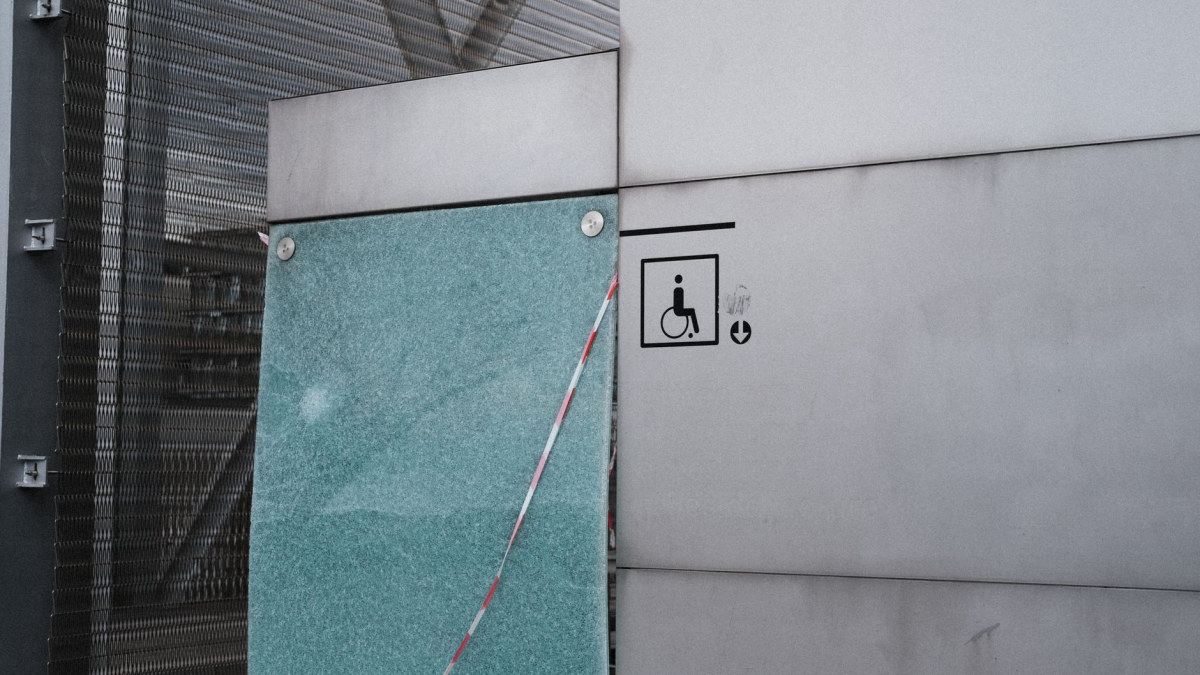
Photo: Spacejoy on Unsplash.
Ready to find out if we’re the right fit?
A free 15-minute consultation is a good place to start. No pressure, no commitment.
More from Heartfelt Support
Elements Employment Diversity Policy
Workplaces that are genuinely inclusive for people with disability don’t happen by accident. They require deliberate policy, ongoing commitment, and…

Types of Equine Therapy
Equine therapies are a group of support approaches that use horses to build confidence, regulate emotions, and develop skills. At…

The Neurodivergent Workforce Today and Tomorrow
Neurodiversity is a concept that recognises the natural variation in human cognition. Rather than treating differences such as autism, ADHD,…

My Job, by Astro the Disability Support Pony

NDIS Funding Is Now Split into Quarters. What That Means for You